Coordination
A useful toolbox talk before field work
A short toolbox talk should clarify today’s hazards, interfaces, responsibilities and stop conditions.
1. Prepare the content.
The supervisor reviews the approved assessment, daily work plan and changes since the previous intervention. Select points that actually affect the task rather than reciting a generic list. Arrange a safe location where everyone can hear and participate. The talk is an operational reminder; it does not replace formal assessment, applicable authorizations, training or specialist instructions. Bring current information so the discussion reflects today’s work instead of yesterday’s assumptions.
2. Describe interfaces.
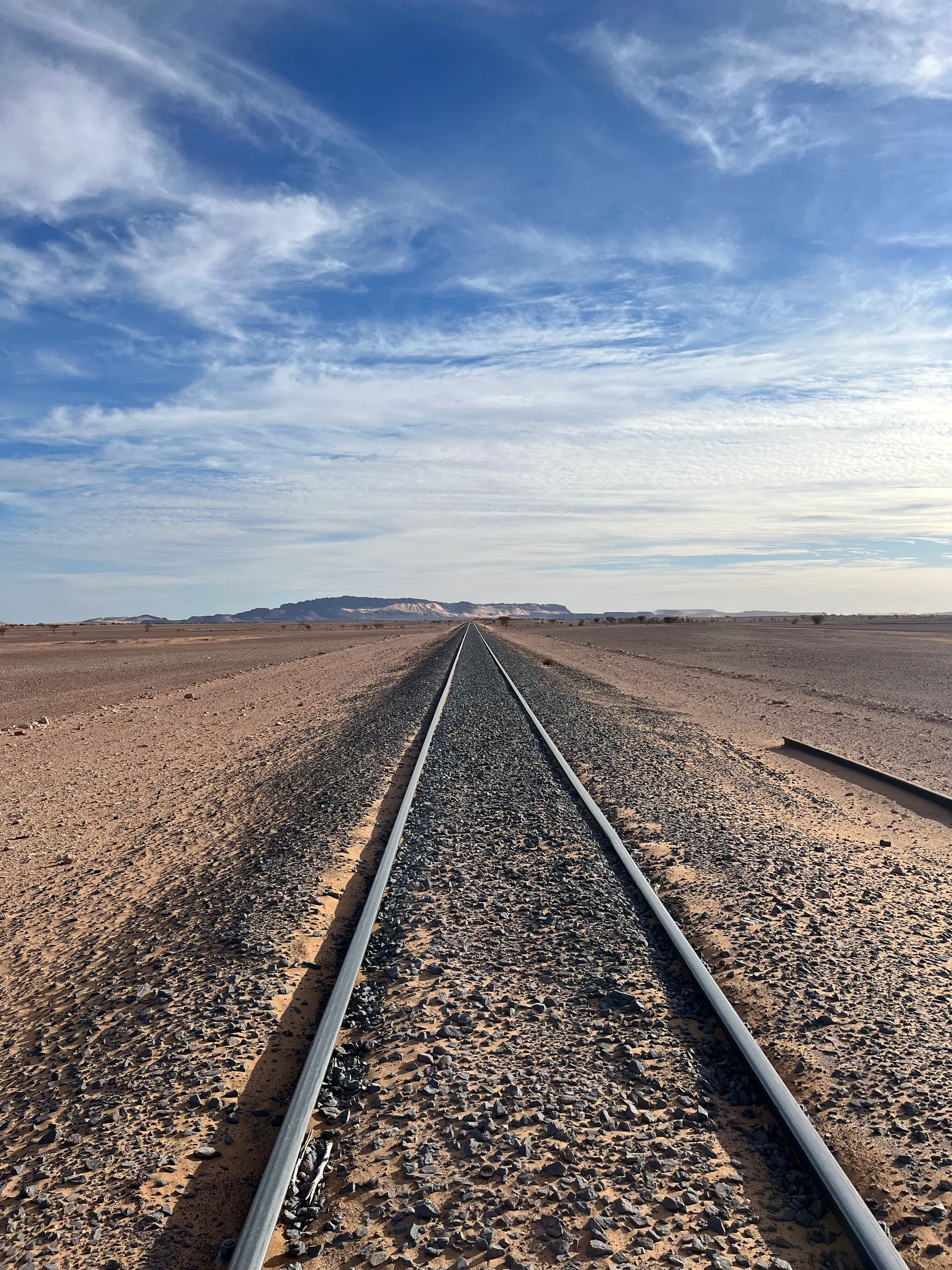
Explain the work area, approved access and nearby activities that could change risk. For a rail corridor or traffic area, confirm restrictions communicated by the competent operator without assuming a route is inactive. Identify who coordinates interfaces and how to report a change. If separation arrangements are not confirmed, do not begin the affected task. Distinguish verified arrangements from pending questions so workers do not interpret uncertainty as permission.
3. Assign roles.
Name the task lead, site contacts and people responsible for planned checks. Explain responsibility boundaries and communication arrangements. Verify that every participant understands their controls, including temporary personnel and subcontractors. No critical role should remain implicit or depend on someone assuming another person has acted. Also confirm who checks restart conditions after a suspension and who informs neighboring teams when the agreed work arrangement changes during the shift.
4. Check understanding.
Use simple wording and a language participants understand, with suitable translation where necessary. Ask several people to explain the main hazards, controls and stop conditions in their own words. Invite questions and field observations instead of reducing the talk to a signature. If an answer reveals misunderstanding, clarify and check again before work begins. Attendance records demonstrate participation, not comprehension; the discussion must show that essential instructions are understood.
5. Prepare the response.
Review emergency contacts, the confirmed assembly point and incident-reporting procedure. Check that planned communication methods are available and understood. Define conditions requiring a stop, such as loss of a control, unexpected nearby activity or a major environmental change. Everyone must be able to report danger and suspend their activity under site rules without pressure to continue. Refer response details to the approved emergency plan rather than improvising rescue actions.
6. Record and follow up.
Note the date, task, participants and useful decisions, assigning an owner to each unresolved action. Do not begin an activity that depends on a missing control. Repeat a short briefing after significant change or when a new participant arrives. At day’s end, collect observed deviations and use the feedback to adapt the next preparation instead of automatically repeating identical content. Track actions through closure so concerns raised by workers receive a response.
7. Run the morning readiness review.
Confirm approved heat-related work windows, rest arrangements and reported fatigue. Review simultaneous works, separation measures, coordination contacts and applicable permits, including scope, conditions, validity and expiry. Compare today’s task with changes in equipment, method or personnel; suspend and obtain revalidation where needed. Record attendance and use teach-back to check controls and stop criteria, with translation when required. Give each action an owner, deadline and closure evidence before dependent work starts. Rebrief after task changes or expired authorization. Signatures are not substitutes for understanding, implemented controls or valid permits, and the talk does not authorize otherwise unapproved work.