Prevention
Selecting and checking PPE before field work
PPE must match assessed hazards, work together and remain in serviceable condition.
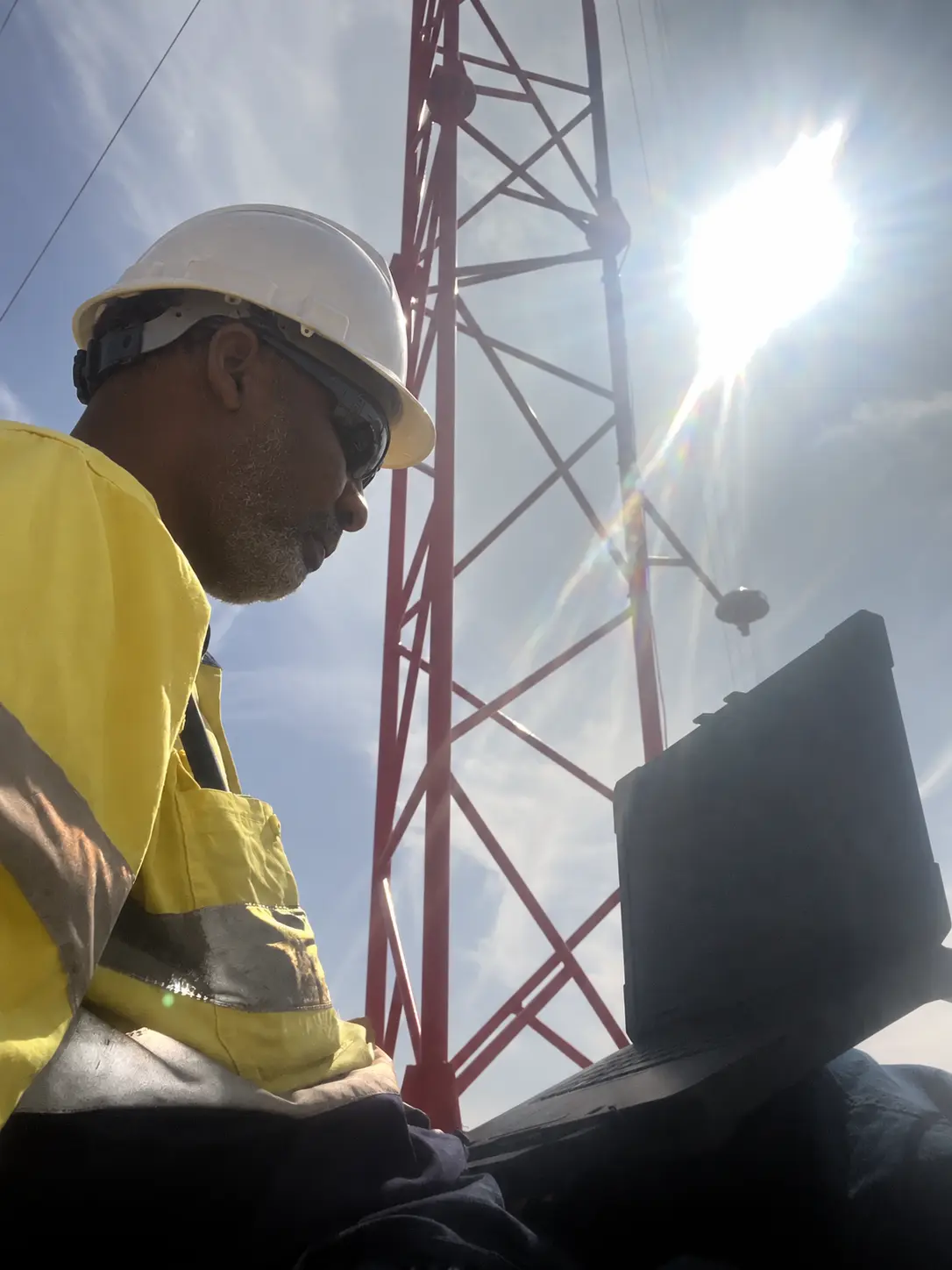
1. Start with hazards.
Consult the approved task assessment before selecting personal protective equipment. Identify actual exposures such as flying particles, noise, traffic or other site-specific hazards. First review opportunities to eliminate hazards and provide collective protection. PPE is an additional control, not permission to work without other safeguards. This general guidance does not replace formal assessment or required training; discuss uncertainties with the competent person before assigning equipment.
2. Confirm selection.
Have the protection type validated by the competent person and consult manufacturer instructions. Check sizes, use limitations and compatibility between helmets, eyewear, hearing protection and other prescribed items. Do not infer performance from color or appearance. Where specialized protection is required, confirm applicable qualifications and checks before assigning the worker. Record the selected equipment against the task so substitutions are reviewed rather than accepted simply because they look similar.
3. Inspect condition.
Before each use, check for visible damage, defective fasteners, distortion and missing parts in accordance with manufacturer instructions. Verify readable markings, relevant dates and inspections required by the site program. Remove doubtful equipment from service and report its identifier. Do not make improvised repairs; obtain a suitable replacement and retain the decision record. Keep rejected items separate so another worker cannot accidentally collect them for the next task.
4. Check fit.
Each worker should try the complete equipment combination in a safe area before work. Confirm secure fit, sufficient vision and freedom from interference incompatible with the task. Check that instructions and signals remain perceptible. For protection requiring specialized fitting, follow the approved program with competent personnel. Incorrectly fitted equipment must be replaced or corrected before exposure, not adjusted experimentally while the worker is already facing the hazard.
5. Arrange care.
Provide clean, dry storage protected from conditions prohibited by the manufacturer. Assign responsibilities for cleaning, inspection and replacement; do not share equipment where hygiene or fitting rules exclude this. Maintain accessible stock in suitable sizes. Report loss or damage promptly so shortages do not pressure anyone to continue with inadequate protection. Confirm workers know where replacements are held and who can authorize withdrawal of an unsuitable item.
6. Review during work.
Reassess protection when the task, nearby activities or conditions change. Stop if equipment becomes defective, uncomfortable enough to compromise use or incompatible with a new hazard. The supervisor checks corrective measures before work resumes. After the intervention, record usability problems and replacement needs; use this feedback to improve selection and team training. An issued item is not proof of protection unless its condition and actual use remain appropriate.
7. Check task-specific protection.
Where assessed hazards require it, verify a suitable impact helmet, protective eyewear, terrain and crush-resistant boots, gloves matched to mechanical or chemical exposure, and visibility clothing around vehicles. Select hearing protection for assessed noise while preserving warning recognition. For required respiratory protection, confirm contaminant, filter selection, training and fit testing for tight-fitting facepieces. Height work requires trained users, inspected fall protection, validated anchors and planned rescue where that system is required. Near water, assess suitable flotation and recovery arrangements. Check compatibility and replacement availability before exposure. These items are not an automatic blanket requirement for every task or location.